The Museum of Oriental Ceramics, Osaka opened its doors in November 1982, commemorating the donation of the Ataka Collection by the Sumitomo Group. The Ataka Collection is the world’s leading collection of Chinese and Korean ceramics, counting up to 965 works compiled by the former Ataka & Co., Ltd. Between 1996 and 1998, the Museum received a donation of a collection comprising 351 works, mainly Korean ceramics, by Dr. Rhee Byung-Chang.
In addition to these two core collections, various collections have been donated to the Museum by benefactors during the course of over forty years since its opening, raising the quantity and quality of the Museum’s collection as a whole.
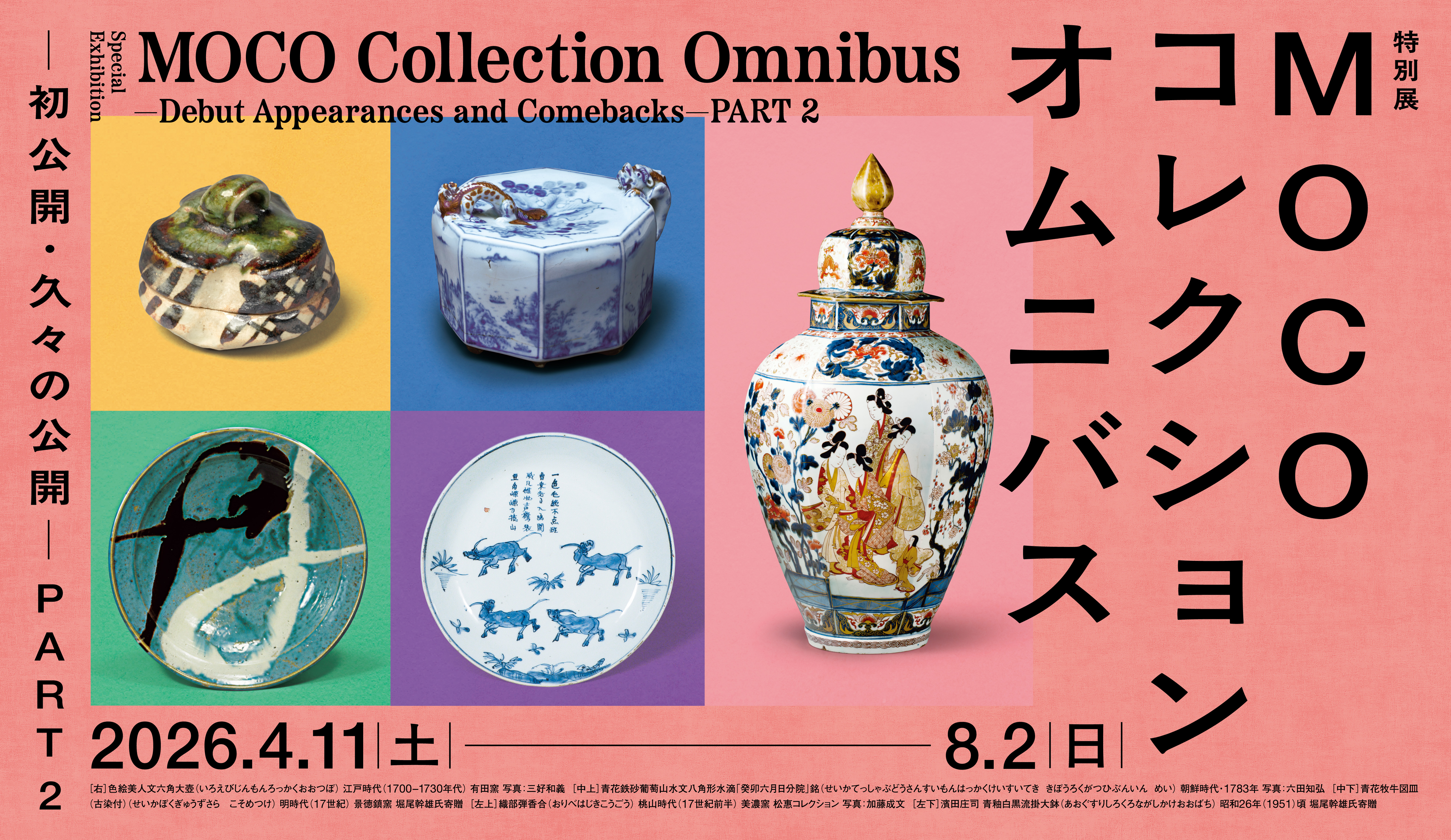
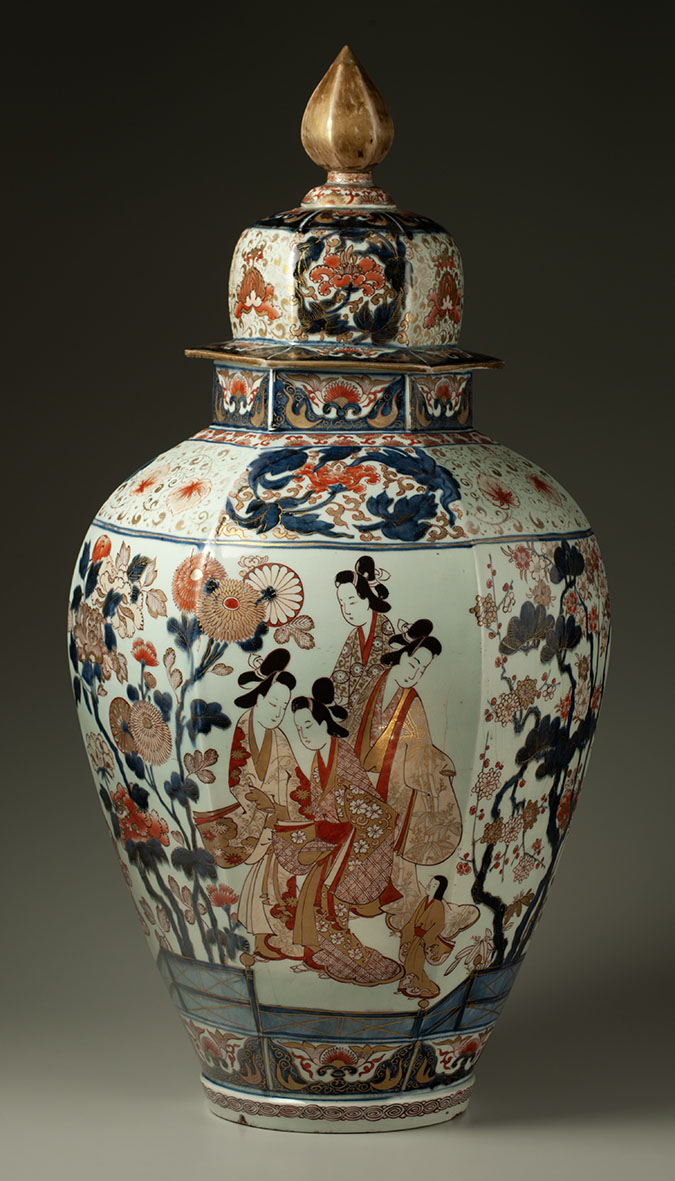
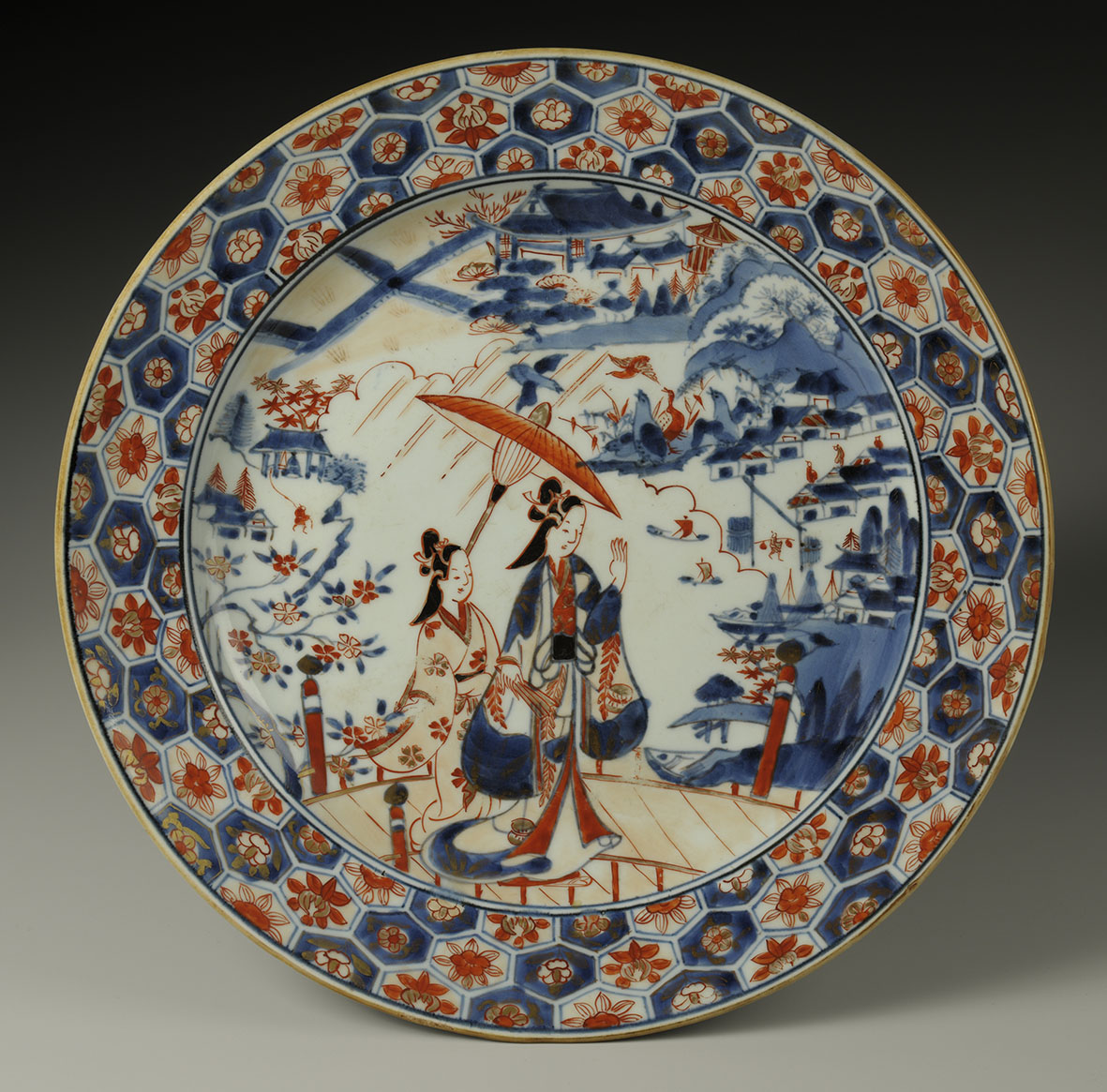
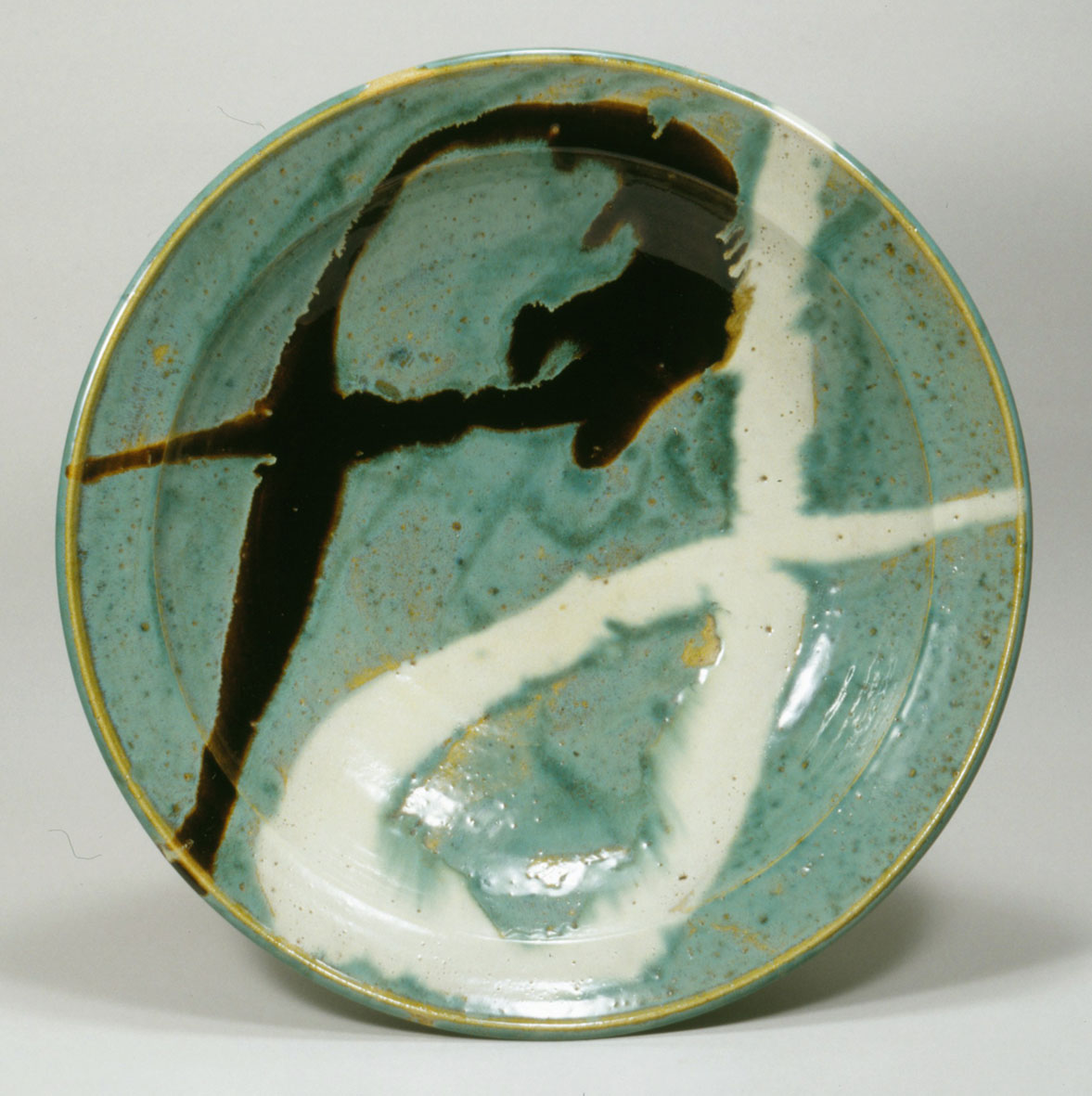
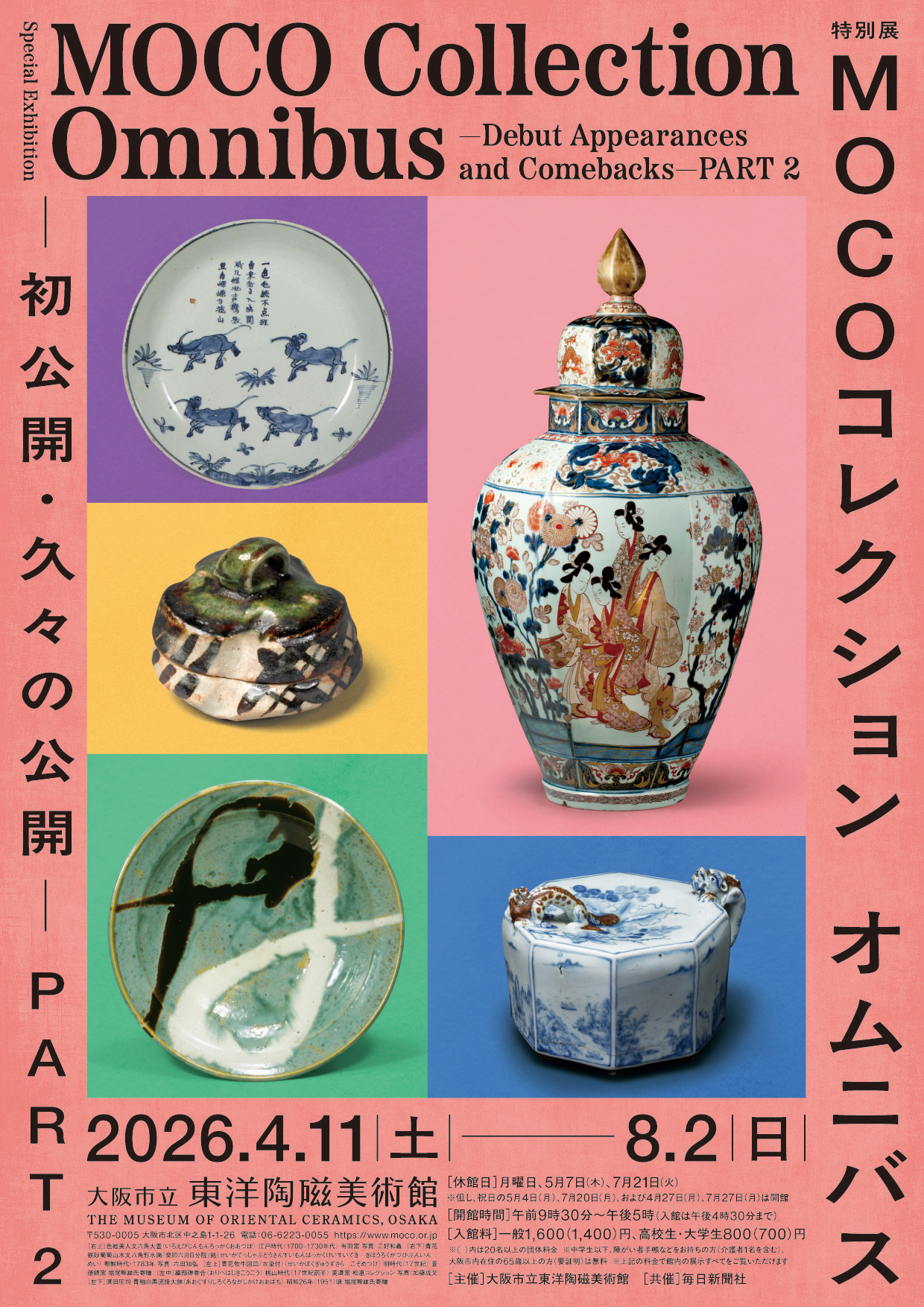
We are holding another omnibus-style exhibition following the “PART 1” exhibition, including some works from the Shokei Collection which we were unable to cover in the previous exhibition. The Shokei Collection consists primarily of tea utensils, most of which are being shown to the public for the first time. Additionally, we are showcasing works from several other collections that have not been on public display in years: the Ko-Imari collection made for export; the Horio Mikio Collection, which comprises works mainly by potter Hamada Shoji, one of the leading figures who developed the so-called mingei or Folk Craft Movement, and blue-and-white porcelain known as Ko-sometsuke-type ware, which were produced at the Jingdezhen kiln in China during the Ming dynasty for export to Japan; and the collection of water droppers, one of the writing instruments produced during the Joseon dynasty in Korea.
◉ Highlights of The Exhibition
1.Most of the tea utensils from the Shokei Collection are shown to the public for the first time.
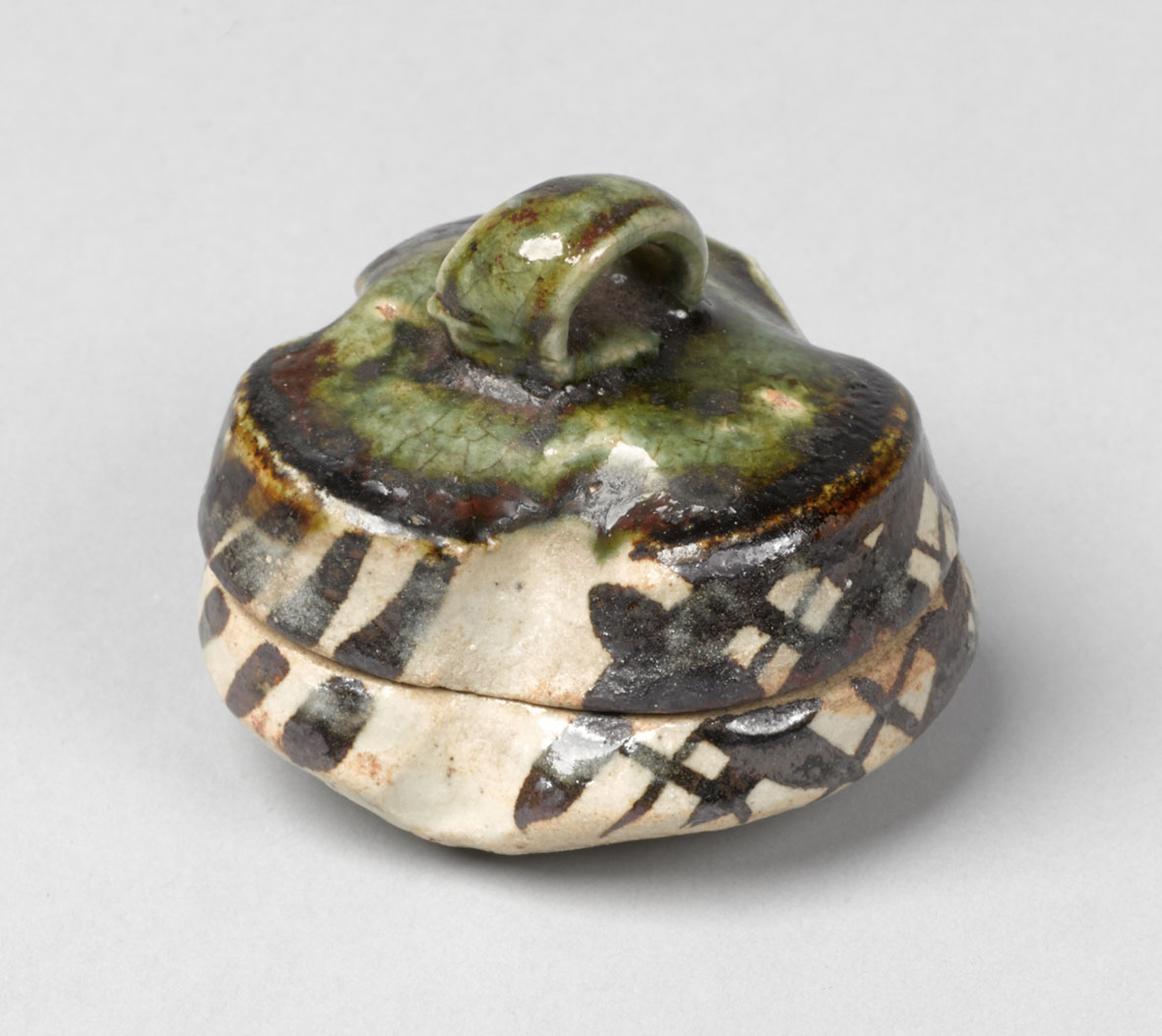
The Shokei Collection features Chinese, Korean, and Japanese ceramic tea utensils, along with hanging scrolls of calligraphic works and paintings, tea scoops, and kettles. The name of the collection consists of two kanji characters, sho and kei, each taken from the names of the donor’s parents who were well-versed in chanoyu or the practice of tea. While we have displayed several works from the collection previously, the PART 1 exhibition was the first occasion that over 30 works selected from the donated works were exhibited together. The current PART 2 exhibition showcases works which we were unable to include in the previous exhibition, such as ceramic tea utensils produced before the 19th century as well as tea bowls and other works produced by modern potters.
2.Distinctive collections are showcased together after many years.
Art collections deeply reflect the taste of the collectors. The Ko-Imari or Old Imari ware, compiled by an anonymous collector, was produced for the European kings and nobility. They are characterized by the resplendent overglaze decoration well-suited to be displayed in their castles. Mr. Horio Mikio established a friendship with potter Hamada Shoji and acquired Hamada’s works directly from the potter himself. Additionally, Mr. Horio collected Ko-sometsuke ware, a Japanese name for a type of Chinese blue-and-white porcelain known for the decoration painted with spirited brushstrokes. Ko-sometsuke was the ware that also drew the attention of Yanagi Muneyoshi, a philosopher who took the lead in the mingei movement along with Hamada. Moreover, MOCO holds a considerable number of water droppers from the Joseon dynasty, which were acquired through donations and purchase of the objects. Each collection, last exhibited from seven to eighteen years ago, are now being brought together in this exhibition. Enjoy the characteristics of these charming collections that are shown together after many years in this wonderful occasion.
◉ Exhibition Content and Key Works
Part 1 (Gallery 1): The Ko-Imari Collection
This section focuses on Ko-Imari porcelain, the export ware made in the Edo period (1603–1868) for the kings and nobility of Europe, particularly those decorated with motifs of beautiful women. They belong to a collection primarily of Ko-Imari ware compiled and donated by an anonymous collector.
Part 2 (Galleries 2 and 3): Works by Hamada Shoji from the Horio Mikio Collection
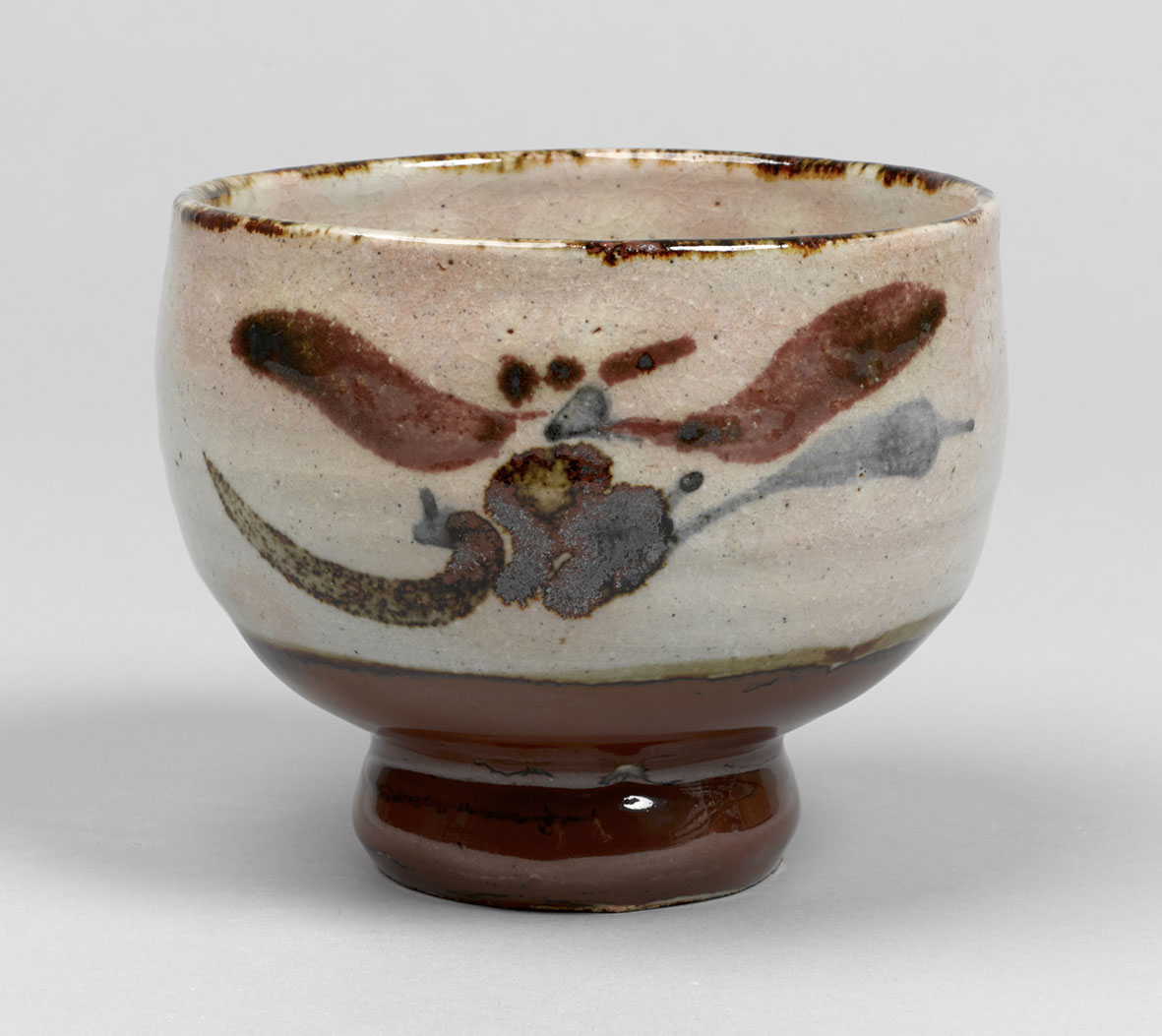
Mr. Horio Mikio (1911–2005)’s deep friendship with potter Hamada Shoji (1895–1978) led to his acquisition of many of Hamada’s works, which he then actively used in his daily life. This section showcases Hamada’s representative 49 works together, which have been selected from the approximately 200 works in the Horio Collection donated to the Museum.
Part 3 (Gallery 4): Ko-sometsuke type and Tenkei-aka-e type ware from the Horio Mikio Collection
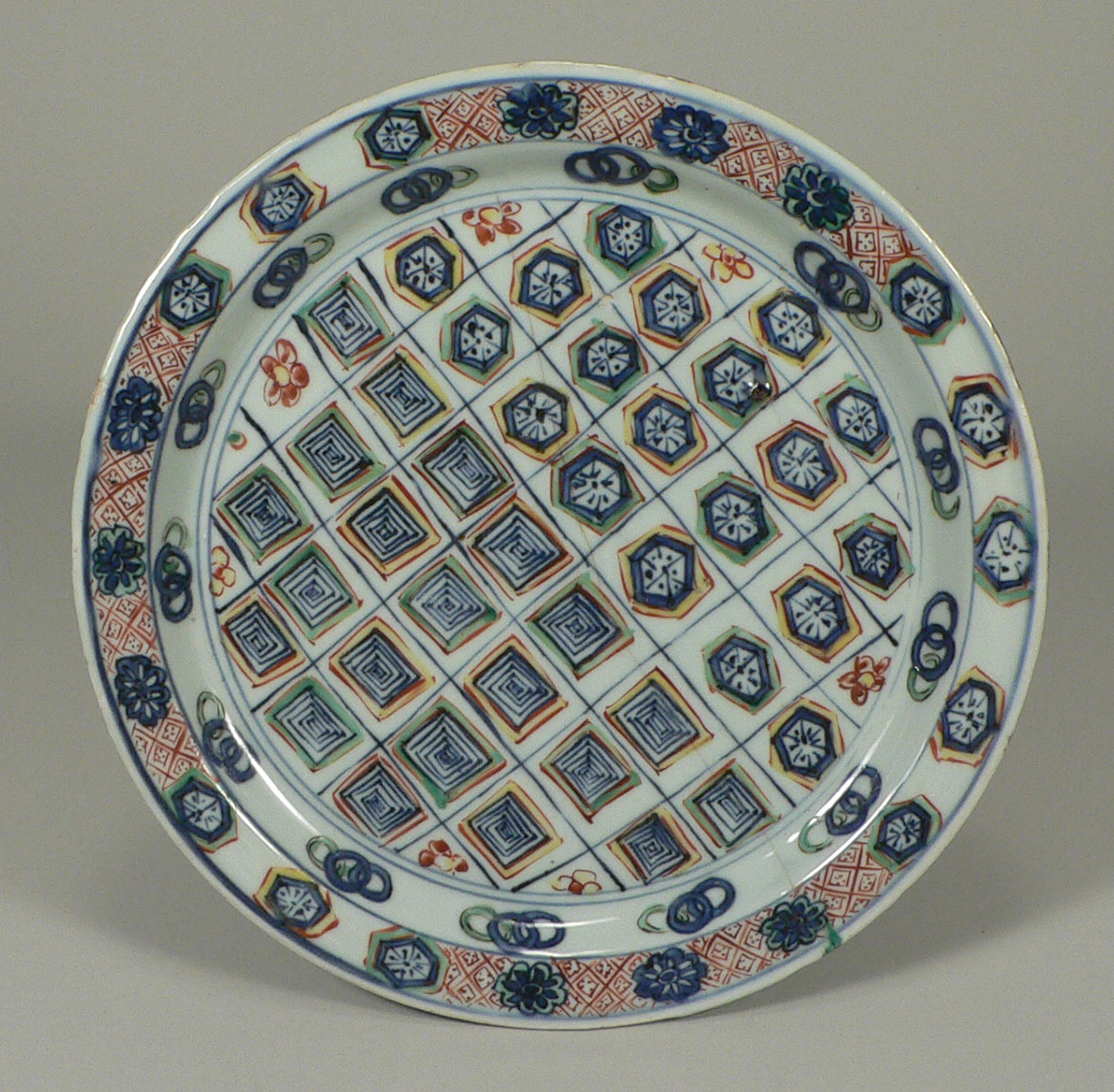
The Ko-sometsuke type and the Tenkei-aka-e type ware, produced at the Jingdezhen kiln in China around the Tianqi era (1621–1627) of the late Ming dynasty for use in Japanese chanoyu or the practice of tea, are characterized by the motifs painted with spirited brushstrokes and the variegated forms. This section explores the captivating qualities of these wares through the 28 works selected from the Horio Mikio Collection.
Part 4 (Gallery 6): The SHOKEI Collection
This collection comprises tea utensils, primarily ceramic wares from China, Korea, and Japan. As we were unable to fully cover this fascinating collection in the previous PART 1 exhibition, we are showcasing 32 more items in PART 2, all of which are also making their museum debut.
Part 5 (Gallery 7) Water Droppers of the Joseon Dynasty
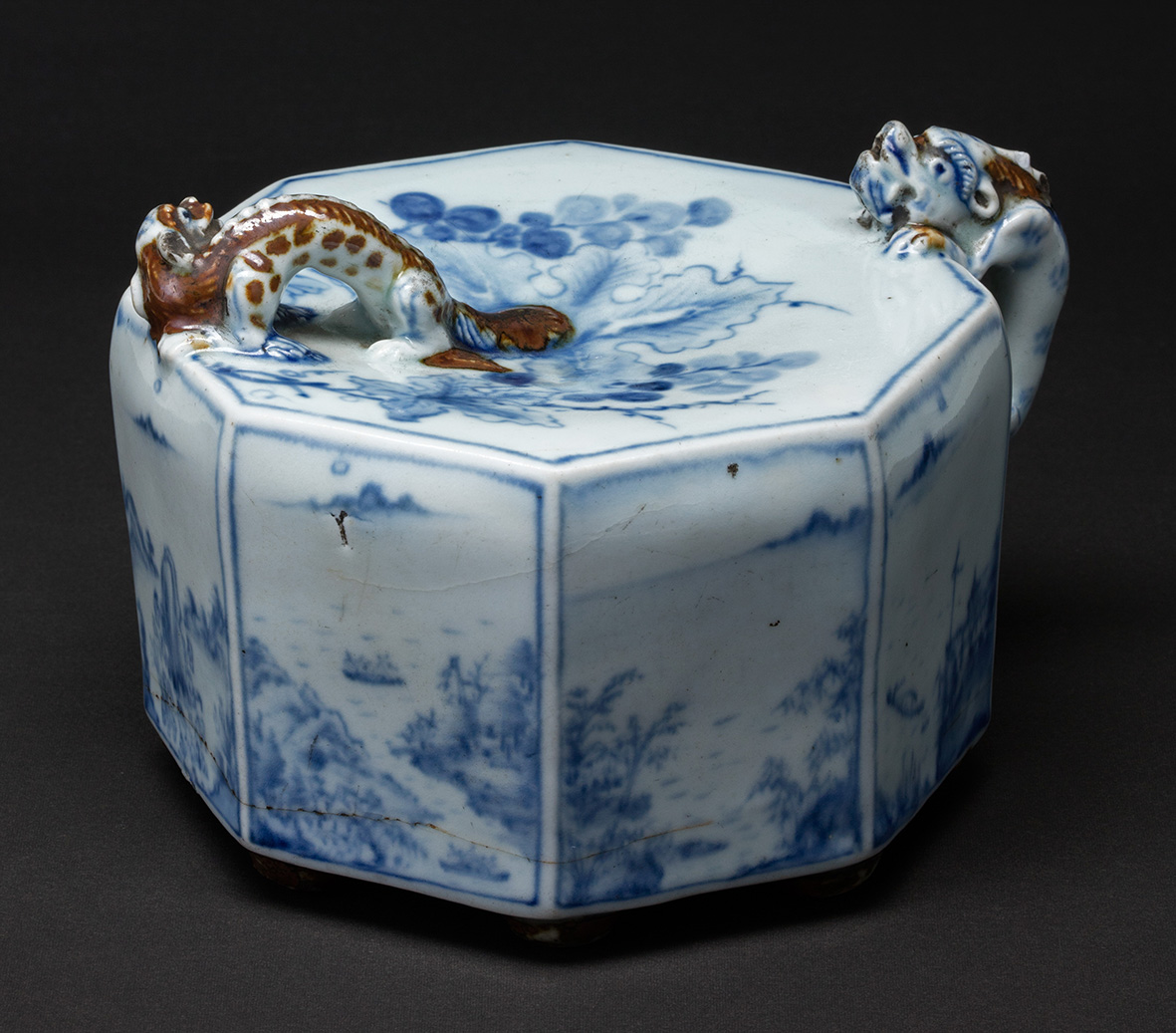
During the Joseon dynasty, ceramics were employed to create a variety of stationery, influenced by Chinese literati culture and highly valued in Korea. This section highlights 39 charming examples of water droppers, revealing a remarkable diversity in their forms and motifs—the most extensive among all ceramic stationery.